Barbara Weibel’s Cultural Travel

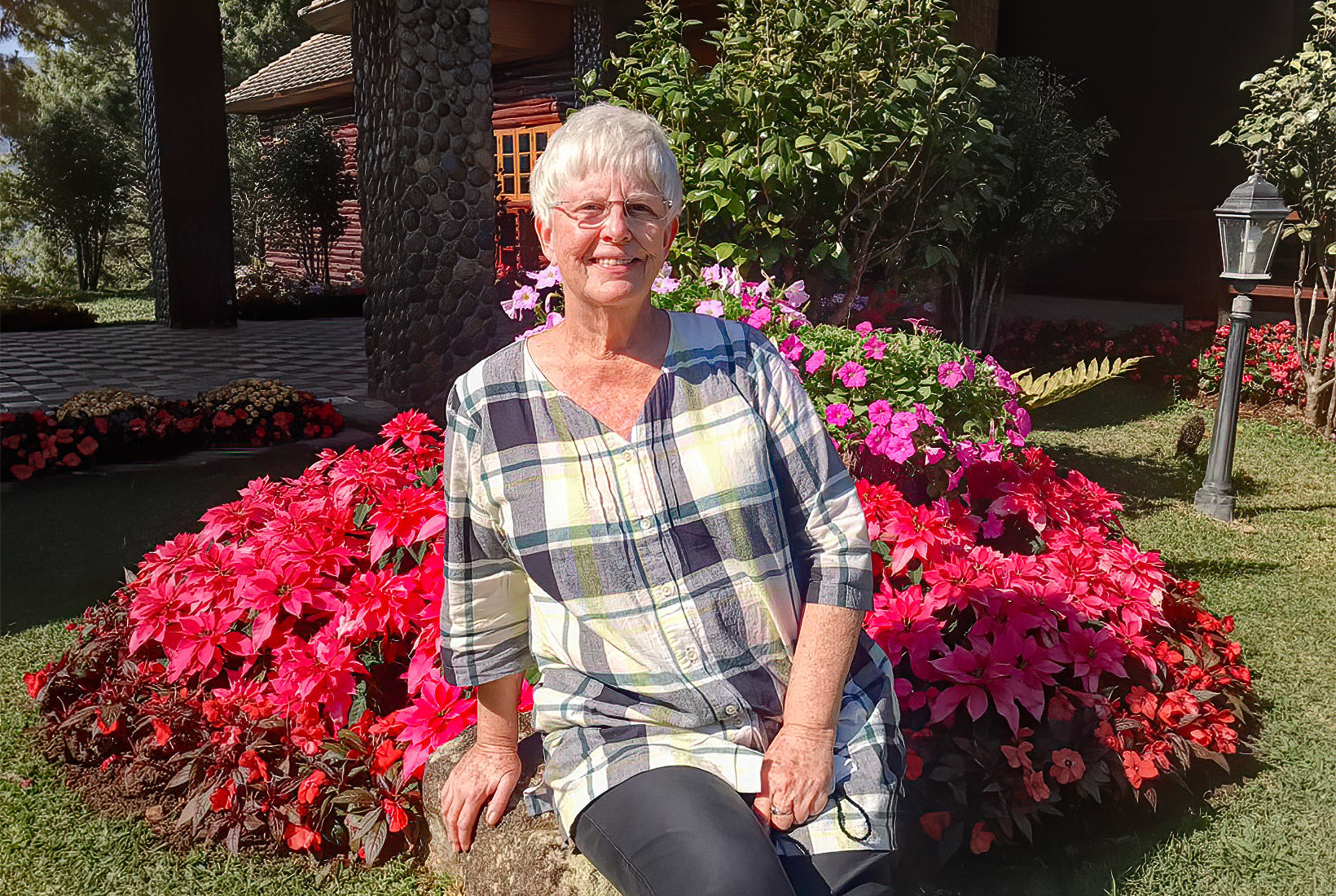
Barbara Weibel After years of working 70 hours a week at jobs that paid the bills but brought no joy, I felt like the proverbial "hole in the donut" - solid on the outside, but empty on the inside. In early 2007, searching for meaning in my life, I set out to pursue my true passions of travel, writing, and photography. My stories feature the destinations I visit and the people I meet, with an emphasis on cultural travel and traveling in a manner that benefits and deeply interacts with locals. Read more about Hole in the Donut Cultural Travel here....
  • Eiffel Tower, Paris, France
  • Angkor Wat Cambodia
    Angkor Wat, Siem Reap, Cambodia
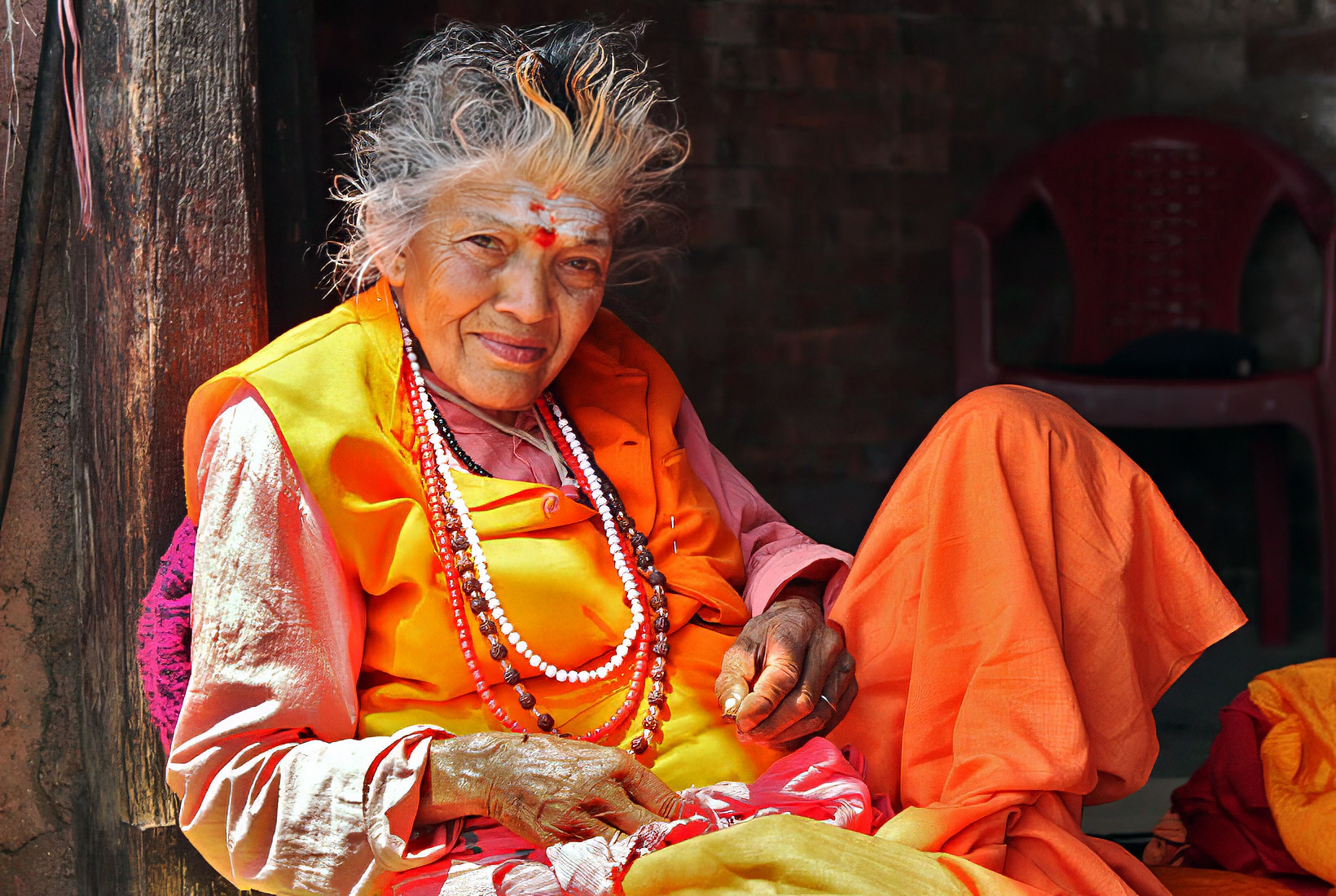
  • Hill Tribe Chief Northern Thailand
    Hill Tribe Chief, Thailand
  • Machu Picchu Peru
    Machu Picchu, Peru
  • Franz Josef Glacier New Zealand
    Franz Josef Glacier, New Zealand
  • Olympic National Park Washington State
    Olympic Peninsula, Washington
  • Damnoen Saduak Floating Market Thailand
    Damnoen Saduak Floating Market, Thailand
  • Maasai Tribe Ngorongoro Tanzania
    Maasai Warriors, Ngorongoro, Tanzania
  • Lion Serengeti National Park Tanzania
    Serengeti National Park, Tanzania
  • Chichen Itza Yucatan Mexico
    Chichen Itza, Yucatan, Mexico
  • Wat Xieng Thong
    Wat Xieng Thong, Luang Prabang, Laos
  • Feast Central India
    Traditional Feast, Central India
  • China Shangahi Skyline Pudong
    Pudong Skyline, Shanghai, China
  • Honeymoon Beach Florida
    Honeymoon Beach, Florida
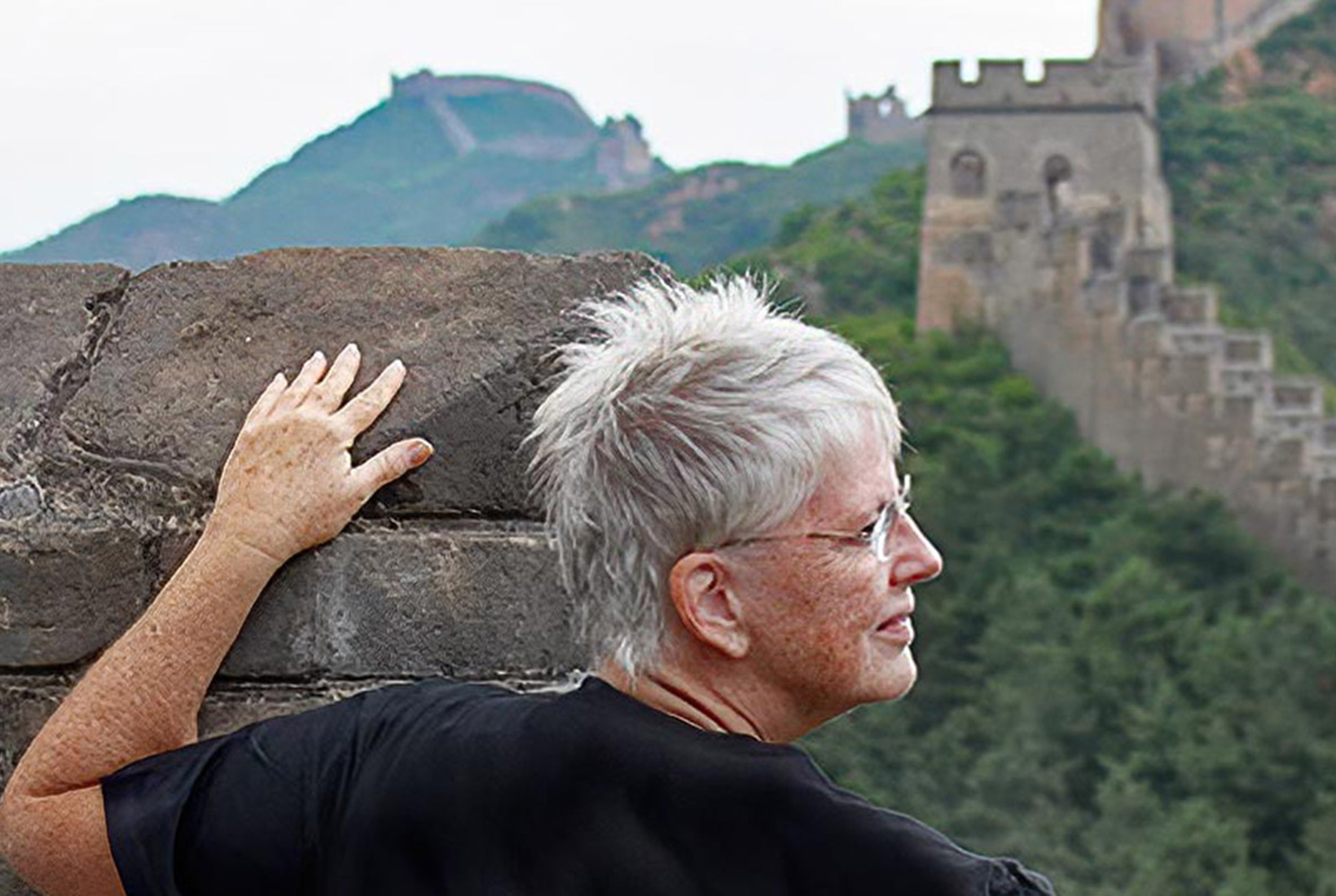
  • Great Wallof China Jinshanling Beijing
    Great Wall, Jinshanling, China
  • Lake Louise Banff National Park Canada
    Lake Louise, Banff National Park, Canada
  • pura ulun danu temple batur bali
    Lake Temple, Central Bali
  • Galapagos Islands Ecuador
    Galapagos Islands, Ecuador

My visit to Cambodia was simultaneously intoxicating and exhausting. Each morning, rested and ready to tackle a new day in no-holds barred Phnom Penh, crumbling Battambang, or mind-boggling Angkor Wat, I stepped from my air-conditioned hotel room into the summer’s suffocating heat and humidity. Within minutes I was drenched from scalp to toes, clothes stuck to me and sweat running down my glasses. By the time I had climbed to the top of my 18th temple at Angkor Wat I needed a rest. Fortunately, I had a perfect place in mind to kick back and recover; Caranee Thianthai, the owner of Nern Chalet Beachfront Hotel in Hua Hin, Thailand had invited me to stay a few days. I packed up and hopped a bus to Bangkok and the following day caught a shuttle for the 2.5 hour ride down to Hua Hin.

Exterior of Nern Chalet Beachfront Hotel with infinity pool

Exterior of Nern Chalet Beachfront Hotel with infinity pool

Upon arrival, the smiling front desk clerk checked me in and toted my small suitcase up three flights of stairs, apologizing as we climbed. “Sorry, it is a long way up but a very nice room.” He threw open the door and led me into the gigantic bedroom. My jaw dropped open. Khun Caranee had arranged for me to stay in the top floor Seafront Suite, the most luxurious room in the hotel. On the opposite side of a king-size bed where towels were twisted into kissing swans, wrap-around picture windows framed a stunning view of a brilliant beach and the sparkling turquoise Gulf of Thailand. Continue reading

I’m a sucker for Buddhist temples. The sometimes subtle, sometimes not-so-subtle design differences from country to country fascinate me and the pagodas of Cambodia were no exception. In contrast to the lavish decadence of Thailand’s gilt-covered monasteries, the pagodas in this poverty-stricken country were simple, with one notable exception. As if to make up for their general lack of opulence, electronic rainbow-colored discs rotate behind the heads of Buddhas statues.

Incense burns in large pots at Preah Ang Chek and Ang Chom Shrine

Incense burns in large pots at Preah Ang Chek and Ang Chom Shrine

There were more than enough pagodas in Siem Reap to satisfy my obsession but one in particular caught my eye. As I passed by every morning on my way to the Angkor Wat ruins and again on my way back to town later in the day, I noticed that this tiny sanctuary was always overflowing with locals, while the larger pagodas I had visited were fairly deserted. My curiosity got the better of me, so I took one afternoon off from exploring ruins to join the faithful at Preah Ang Chek and Ang Chom Shrine.

Continue reading

Ever since I visited the ruins of Angkor Wat in Siem Reap, Cambodia in 2007, I’ve been itching to go back. Back then, I was on a six-month around-the-world journey and I had allocated only three days in Siem Reap. I was under the mistaken impression that the ancient Khmer site that most refer to as Angkor Wat was a single temple and I assumed three days would be more than sufficient. How wrong I was!

Angkor Wat temple at sunset

Angkor Wat temple at sunset

Angkor is the umbrella name for an archeological site that encompasses the different capitals of the Khmer Empire, which ruled much of Southeast Asia from the 9th to the 15th century.  Angkor Wat, though an admittedly important religious structure, was a single temple in the Angkor kingdom. Ruins of the Khmer kingdom dot the countryside for more than 400 square kilometers around Angkor Wat. In three days, I barely scraped the surface, visiting Bayon, Ta Prohm, and a number of the more well-known sites. This time, I was determined to see the many of the smaller, lesser-known ruins. Continue reading

Cigarette dangling from his mouth, our wiry Cambodian engineer yanked the starter rope on a small motor mounted to the rear of our open-air rail car. The engine sputtered momentarily, then roared to life. Straining at the weight of the iron frame, he pushed our rudimentary vehicle down the tracks a few feet, hopped aboard at the last possible moment and broke into a wide grin. Within moments we were speeding down tracks that looked as if they had melted in the sun and dried warped. I sat back and let the breeze dry perspiration that had beaded on my brow and upper lip in Cambodia‘s unforgiving summer heat and humidity. A pair of butterflies parted before me, narrowly escaping being plastered on my nose, and jungle vines reached out on the narrow right-of-way, whacking me in the arms and face as we sped along at our top sped of 25 miles per hour. Gaps between the kattywampus rails caught the steel wheels; their jarring clunk-clank set my teeth rattling. With no railings on either side and only a thin bamboo platform separating me from the ground rushing by below, it was totally unsafe. And I loved every moment of it!

Crazy warped tracks on Bamboo Train line near Battambang, Cambodia

Crazy warped tracks on Bamboo Train line

After the Khmer Rouge were overthrown in 1979, locals needed a way to move people and goods around the country. Trains no longer ran but the track were still in place, so with typical Cambodian ingenuity, they salvaged old train axles and wheels, built iron frames and laid a platform of bamboo on the top. Initially, the cars were pushed along the tracks with large wooden paddles but eventually small motors were installed. When the country reopened to the outside world, tourists discovered this curious means of transport and christened it the Bamboo Train. Today, the train carries visitors and locals alike on the six-mile route between two tiny villages just outside of Battambang. Continue reading

Once my traveling companion, Larry Bosco, and I had exhausted land-based attractions in Phnom Penh, Cambodia, we turned to the water. Rivers are the lifeblood of Cambodia and Phnom Penh is located at the confluence of the Mekong, Tonle Sap, and Bassac. We walked along Sisowath Quay beneath international flags of countries flapping in the breeze, perusing the various options for sunset cruises on the sluggishly flowing chocolate Tonle Sap.

Sisowath Quay, near the confluence of the Mekong and Tonle Sap Rivers in Phnom Penh

Sisowath Quay, near the confluence of the Mekong and Tonle Sap Rivers in Phnom Penh

On a whim, we popped into one of the piers at water’s edge, where a tout with finely honed radar pounced. He shoved a plastic laminated flyer under our noses and reeled us in with the photo of an attractive cruise boat, pushing us to make a quick decision if we hoped to see the sunset. With only a few days in Phnom Penh, we seized the opportunity, hoping that the overcast skies would clear enough to see the Royal Palace silhouetted by a red sky. The tout hurriedly flagged down a cyclo-rickshaw and we were off to board the boat. A couple of minutes later he pulled up to a high concrete abutment and motioned for us to descend to the bottom via a narrow set of steps. At the bottom, we were met by a stick-thin, sinewy man who led us through a minefield of scrap lumber and soggy marsh grass to a row of boats shoved up to the shore.

To our right were several attractive yachts and double-decker boats that resembled Mississippi River paddle-wheelers. We turned left. My brow furrowed as I balanced on a rickety narrow board leading through the swamp to a row of broken down boats. A moment later, we stopped in front of a decrepit, derelict scow with a handful of plastic red chairs set on the otherwise barren deck. With a gap-toothed smile, our guide motioned for us to climb up the unsecured narrow wooden gangplank. Continue reading

The ocean of tuk tuks, motorcycles, and pedestrians in downtown Phnom Penh parted around me like the Red Sea. An uneasy feeling niggled; something wasn’t quite right but I couldn’t put my finger on it. I returned a smile from a pajama-clad Khmer woman on her daily shopping rounds and suddenly realized that my face was the only one with wrinkles; of the Cambodians, not a single person on the street appeared to be over the age of 45. I puzzled over my observation a few seconds longer but then set aside my curiosity as I headed out for a day of sightseeing.

Tuol Sleng, the notorious Khmer Rouge prison camp in Phnom Penh known as S-21

Tuol Sleng, the notorious Khmer Rouge prison camp in Phnom Penh known as S-21

My first stop was the Tuol Sleng Genocide Museum, a former school that had been converted into Security Office 21 (S-21) during the Khmer Rouge years. From the outside, the dingy grey cinder block building looked very much like the school it had once been, but once inside the sinister nature of the facility quickly revealed itself. In some classrooms, brick walls had been erected, dividing the space into facing rows of 2.6 x 6.5 foot cells with no ceilings or doors. Windows in rooms used specifically for torture were paneled with glass to deaden the sound the prisoner’s screams, while the buildings exteriors were covered in barbed wire to prevent prisoners from committing suicide by jumping down. I wandered from room to room, examining photos of the 14 horribly mutilated bodies discovered in this facility on the day in 1979 when Phnom Penh was liberated and reading about the atrocities committed by Pol Pot and one of his most trusted cohorts, Duch, who was personally responsible for day-to-day operations at S-21. Continue reading

Follow Hole in the Donut

Free Photography Ebook

Around the World with 40 Lonely Planet Bloggers
To download your free copy of "Around the World with 40 Lonely Planet Bloggers," subscribe to Hole In The Donut to receive emails about newly published articles and daily photos (three emails each week)
* = required field

Travel eBooks

Triposs.com

Triposs United States Popular Sights and Attractions

My Travel Itinerary

I'm currently in 

EasyToBook.com

DUBAI HOLIDAYS

Dubai
Holidays

FAVORITE TRAVEL COMPANIES

if you'd like to see the Great Wall, Forbidden City or Yangtze River, contact Beijing Impression. We offer tours in Beijing and other China cities.

Thomson Discount Codes

Punta Cana Hotels

Who Likes Us on Facebook

PROFESSIONAL AFFILIATIONS

EcoAdventure Media

North American Travel Journalist Association

Professional Travel Bloggers Assn.

International Travel Writers Assn.

AWARDS AND HONORS

Top Blogs

Holeinthedonut.com named one of the top 50 travel bloggers


Alltop, all the cool kids (and me)