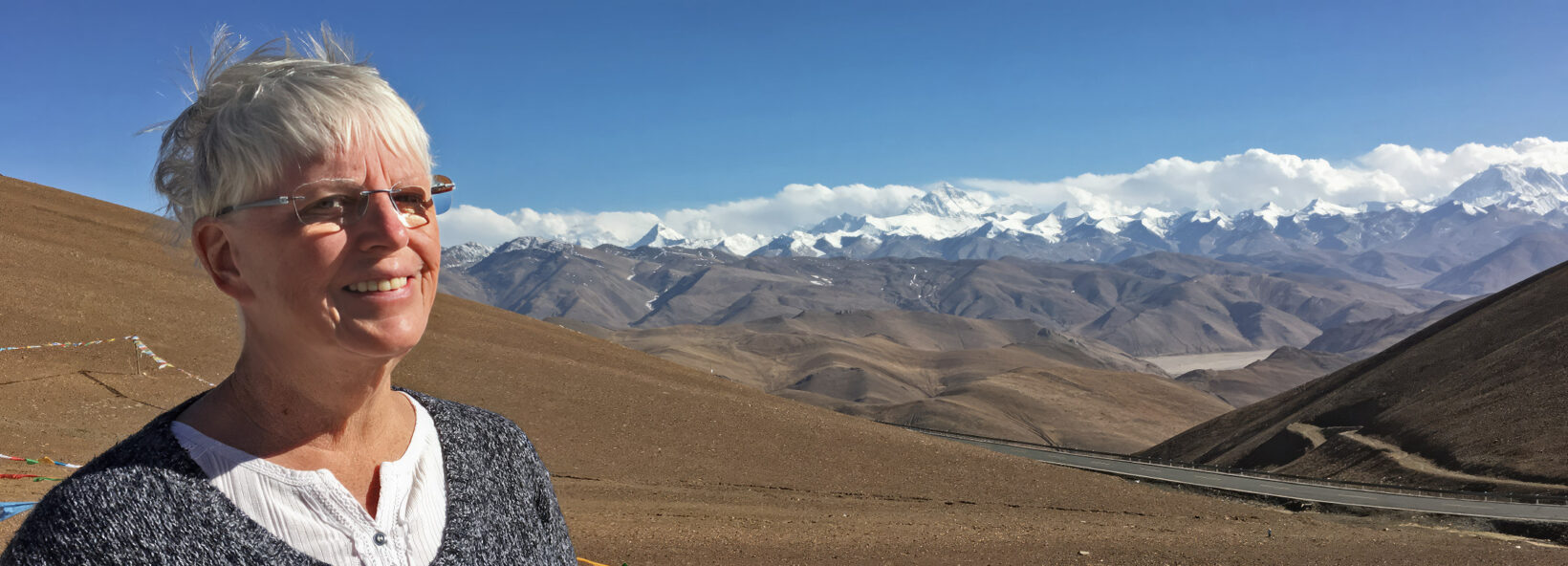
After years of working 70-80 hours per week at jobs that paid the bills but brought no joy, a serious illness made Barbara Weibel realize she felt like the proverbial “hole in the donut” – solid on the outside but empty on the inside. In 2007, at the age of 54, Weibel walked away from her successful career, sold or gave away most of her material possessions, and began traveling around the world in pursuit of her true passions: travel, photography and writing.
About Barbara Weibel
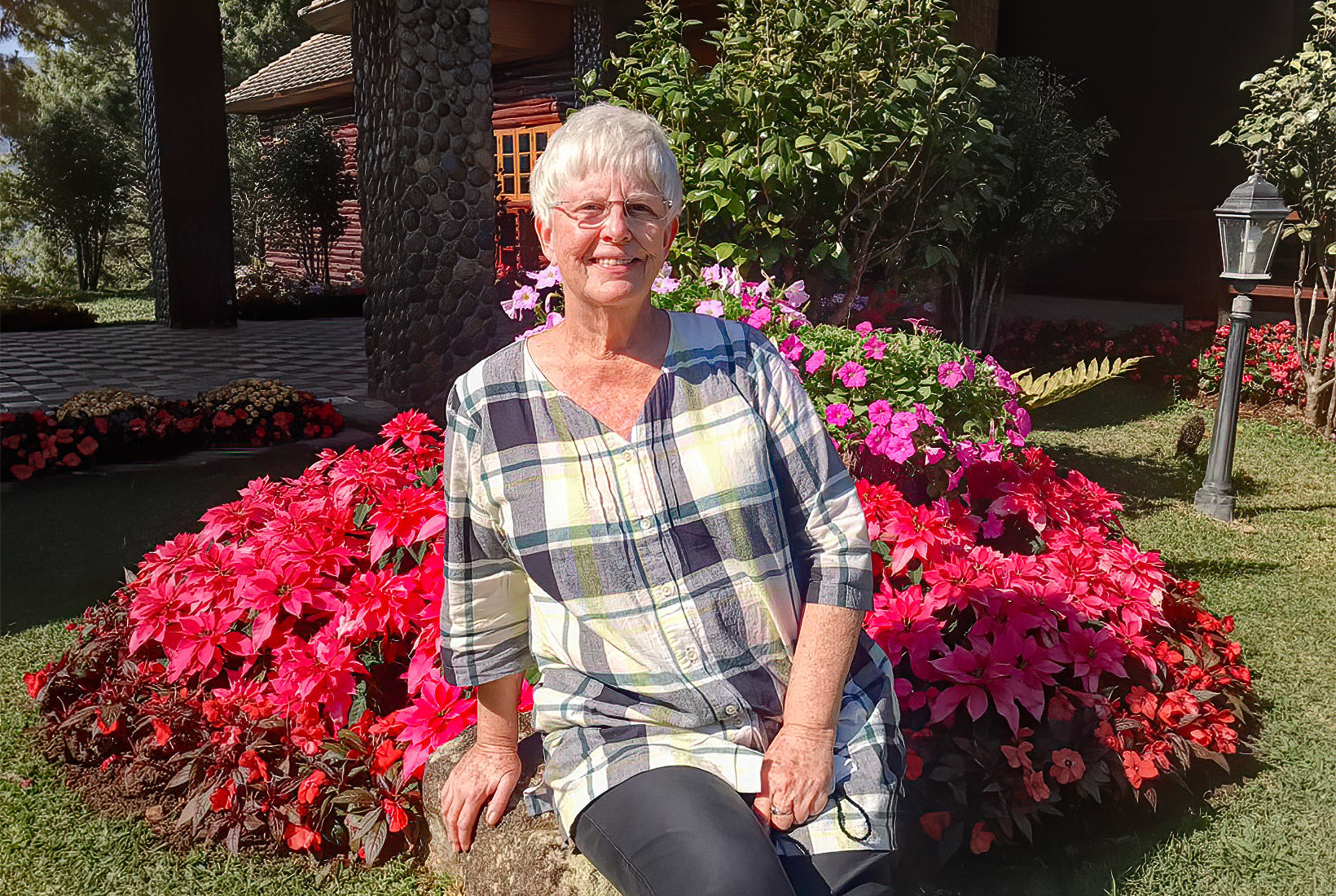
It took 36 miserable years of working at corporate jobs and a serious illness before I decided to be true to myself and follow my dreams. Read how travel changed my life.
Destination Travel Stories
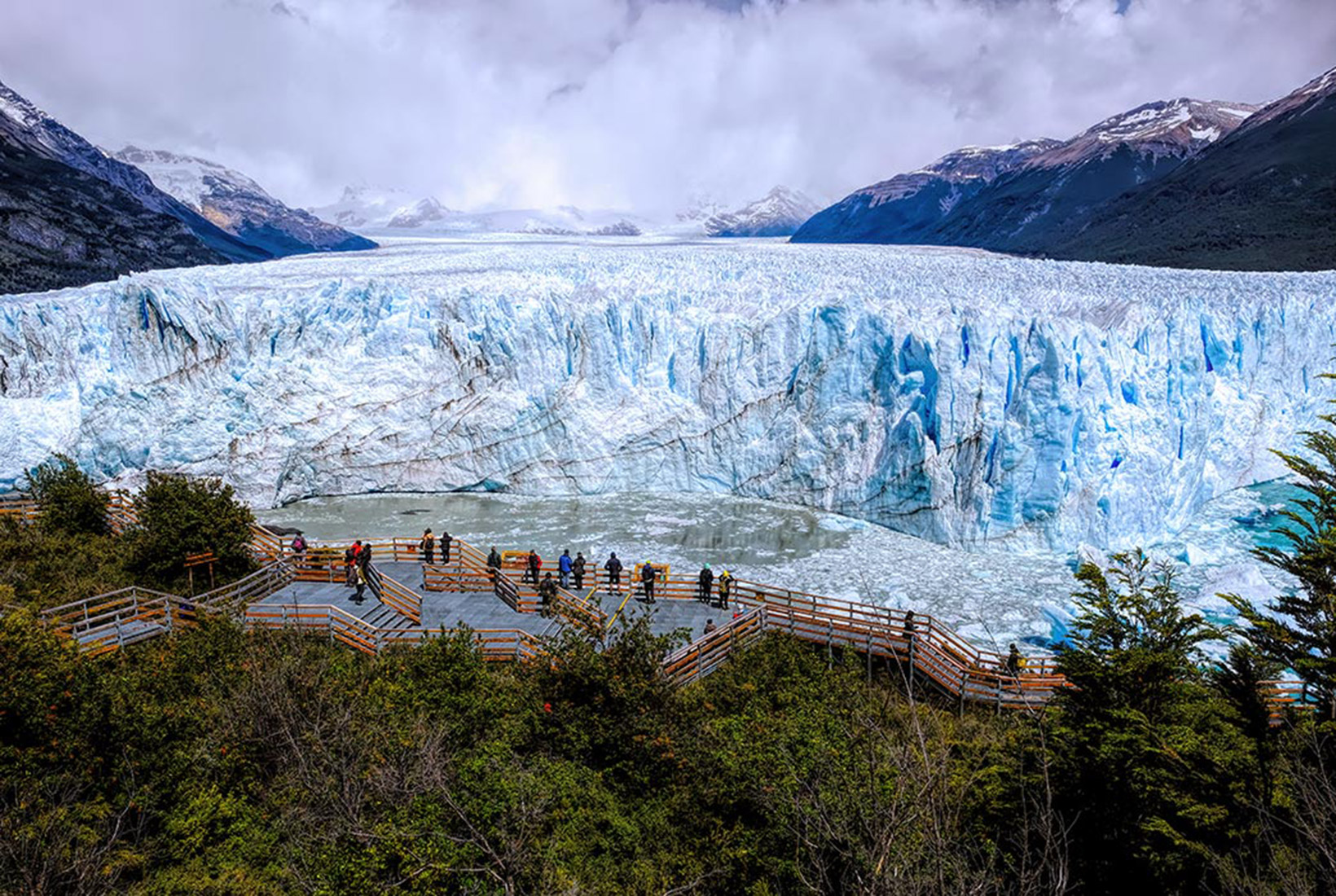
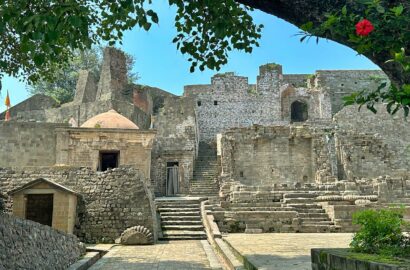
I’ve traveled to more than 100 countries and non-sovereign nations, and written more than 3,000 stories about my experiences. Browse my list of countries here.
Why I Must Travel
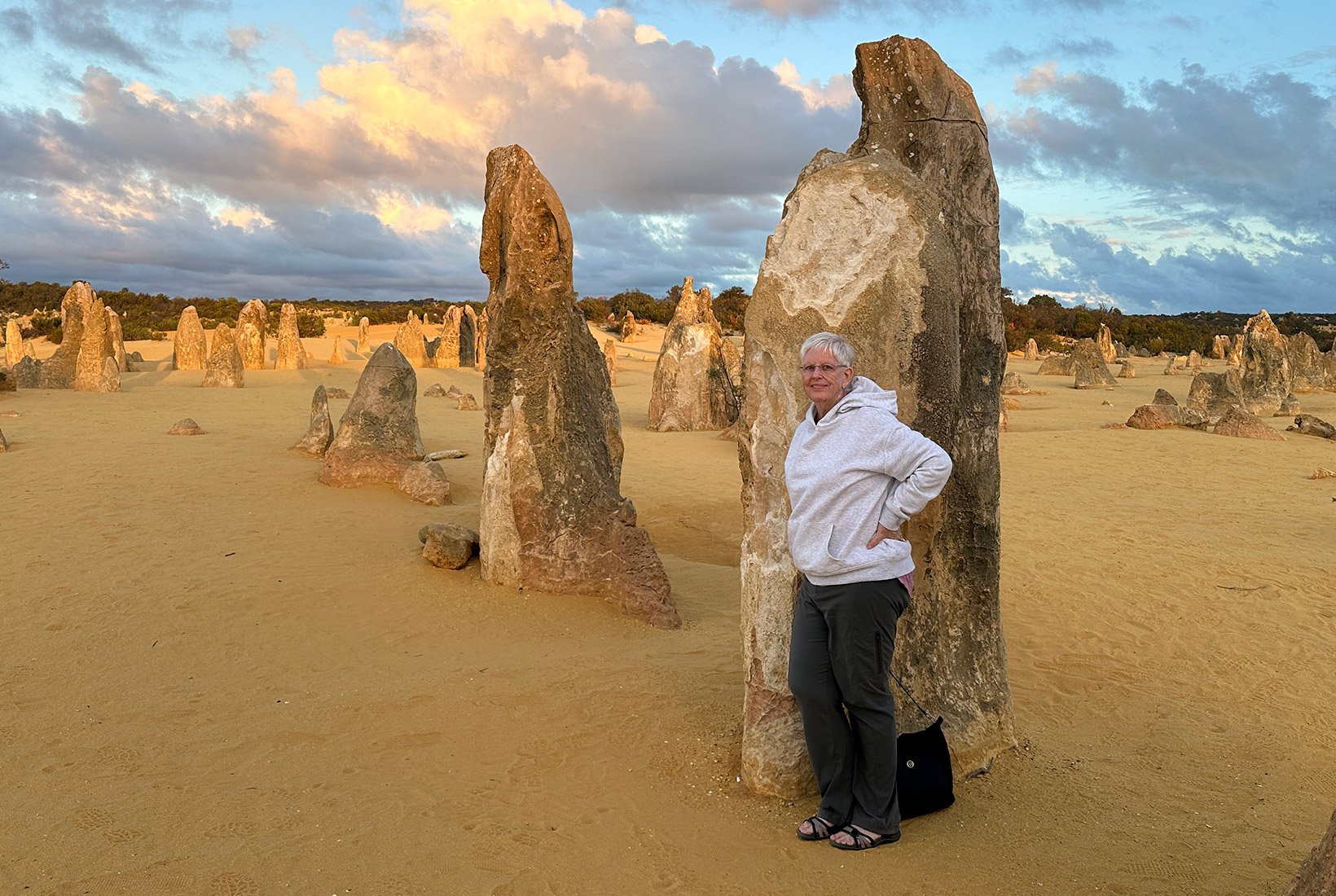
I have always had an insatiable desire to see distant lands and immerse in other cultures. The question is why? I reveal my passions and secrets here.
Why I Must Write
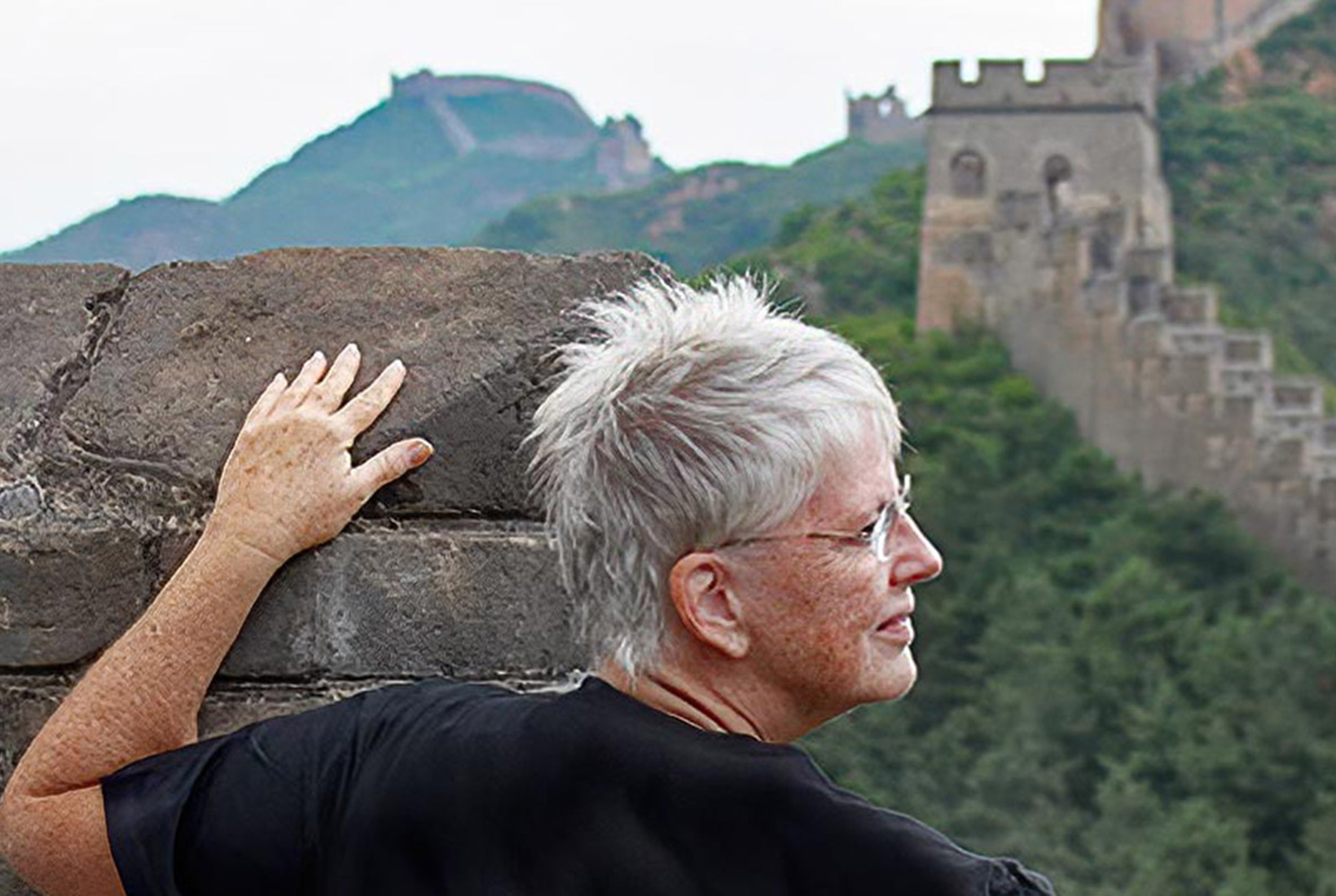
I write because I can’t not write. I have no choice. If I don’t get the words out of my head, it will explode. Read more about my writing process here.
Featured Photos
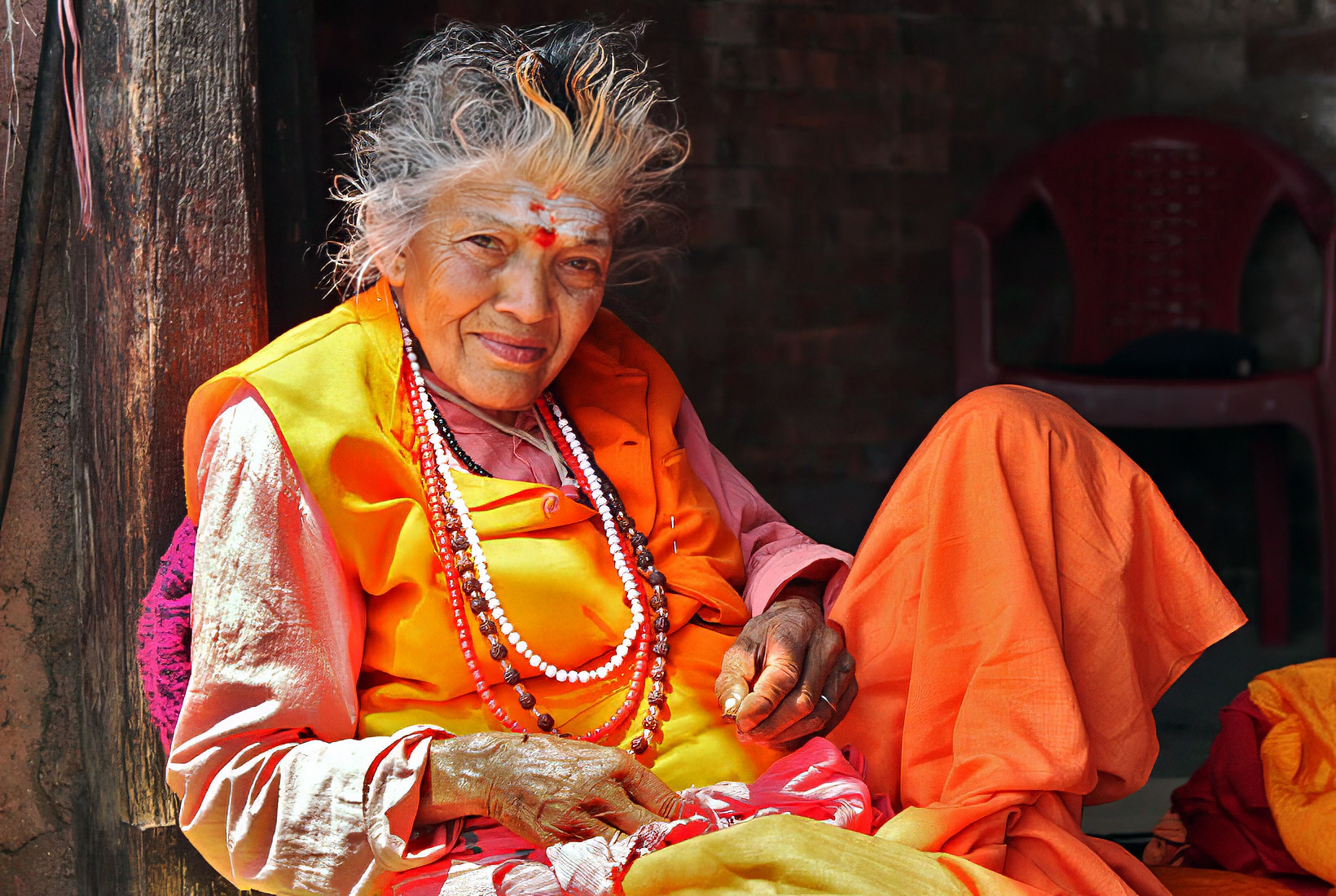
In addition to my stories, I occasionally publish large-format photos with few words. Because, as they say, a picture is worth a thousand words.
Why I Take Photos
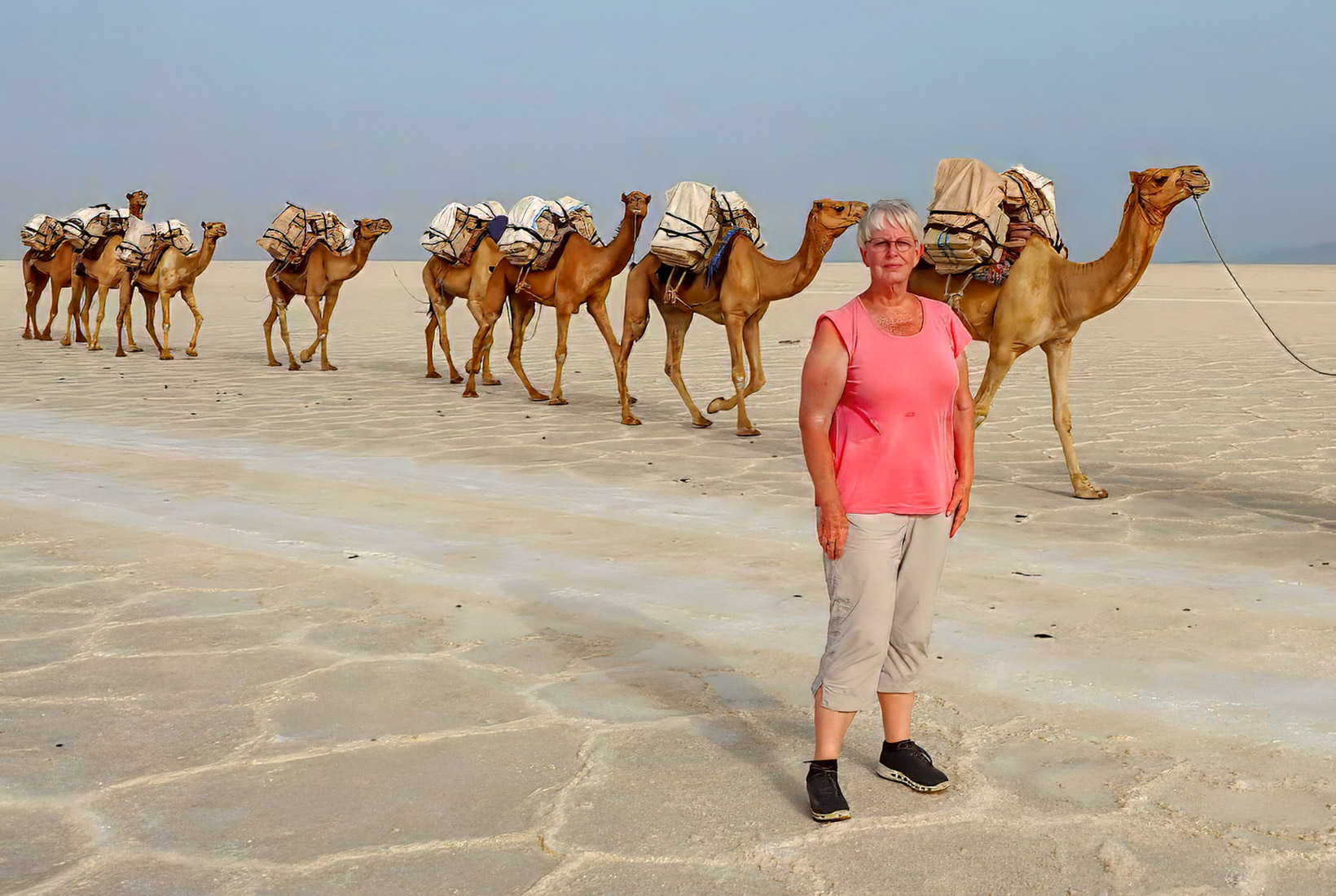
My journey as a photographer began at age 11, when my uncle gave me an old Leica camera and I discovered National Geographic.